High Density FUE hair transplantation moves individual groups of hair follicles from a donor area, usually the back and sides of the scalp, to areas affected by hair loss. It can improve coverage in suitable patients without the linear donor scar normally associated with strip harvesting.
Choosing FUE involves more than deciding how many grafts you want. Your donor supply, the cause of your hair loss, and your expectations all influence whether a FUE hair transplant is appropriate and what it can achieve.
Sure Hair Transplants Toronto. Uni-Strand™ FUE approach aims to create high-density, natural-looking results in suitable patients, with treatment planned around the available donor hair and the areas that need restoration.

What is FUE?
FUE is a widely adopted acronym for the medical term follicular unit extraction. The International Society of Hair Restoration Surgery (ISHRS) uses the term follicular unit excision. Both terms refer to the same procedure: small circular surgical incisions are used to remove naturally occurring follicular units, which are then transplanted to the patient’s balding or thinning areas.
A follicular unit is a naturally occurring group of hair follicles of 1-3 individual hairs. During a FUE procedure, a small surgical punch is used to separate each selected unit from the surrounding skin so it can be harvested and transplanted.
FUE does not involve removing a strip of scalp. The donor area extraction sites generally heal quickly, but they do leave small scars that are usually very well camouflaged by the surrounding hair in the donor area. Many of our patients even shave the back of their heads after their hair has grown in, and while it is often difficult to identify any scarring, it is important to note that FUE is surgery, and it is not “scar-free”.
Who may be a suitable candidate for a FUE procedure?
A medical assessment is needed to establish why you are losing hair and whether transplantation is appropriate on an individual, case-by-case basis. Clinics and doctors have their own specific preferences, but generally use similar criteria to decide whether a person is a good candidate for FUE hair transplantation. The only way to know for certain is to book a consultation for an assessment by a qualified doctor.
Important considerations include:
- Donor supply: Is there enough suitable donor hair to improve the areas you want treated?
- The recipient area: Is the scalp suitable for transplanted hair to grow?
- Your expectations: Would the likely improvement meet your goals, even if a full head of hair is unrealistic?
- Ongoing hair loss: How might further thinning affect the appearance of your transplant?
Limited donor hair can restrict the result. In some cases, postponing surgery or considering pharmacological medical treatment first may be appropriate.
How does the FUE hair transplantation procedure work?
Hair transplantation is usually performed under local anaesthetic. With FUE, individual follicular units are harvested using a small punch. The grafts are prepared and placed into small recipient sites in the areas being treated.
The harvesting method is only one part of the procedure. Hairline design, graft handling, and placement also influence the final appearance.
Ask who will perform the medical assessment, donor incisions, and recipient-site incisions, and what role each team member will have in your care.
Benefits and limitations of FUE
Advantages of FUE Hair Transplant
- No linear donor scar: FUE avoids the long scar associated with strip harvesting methods.
- No stitches in the extraction sites: The small donor openings generally heal without sutures.
- Compatibility with some shorter hairstyles: Small donor scars may be concealed by surrounding hair.
Limitations of FUE Hair Transplant
- Small scars remain: These may be visible with closely cropped or shaved hair.
- Donor hair is limited: Removing too many grafts can leave the donor area visibly thin.
- Grafts can be damaged: Poor harvesting, handling, or placement can affect growth.
- More than one session may be needed: A larger treatment area may require procedures on separate days.
Customer Before & After Hair Transplant Photos


High-density FUE: what does density mean?
High-density describes how closely grafts are placed within a treatment area. It is a description of the treatment goal, rather than a separate harvesting method.
For suitable patients, SureHair’s Uni-Strand™ FUE treatment may use a planned recipient-site density of approximately 25–50 grafts per square centimetre, depending on the area being treated and the individual treatment plan.
This figure refers to grafts placed, rather than a guaranteed number of grafts that will grow. Grafts and individual hairs are also different measurements because a follicular unit can contain more than one hair.
The purpose of treatment planning is to balance coverage in the recipient area with preservation of the donor supply. A density figure alone does not describe the final result.
What results can you expect?
The aim is a natural-looking improvement that suits your available donor hair and hair-loss pattern. A transplant redistributes existing hair; it does not provide an unlimited supply.
Co-author of ISHRS FUE Clinical Practice Guidelines
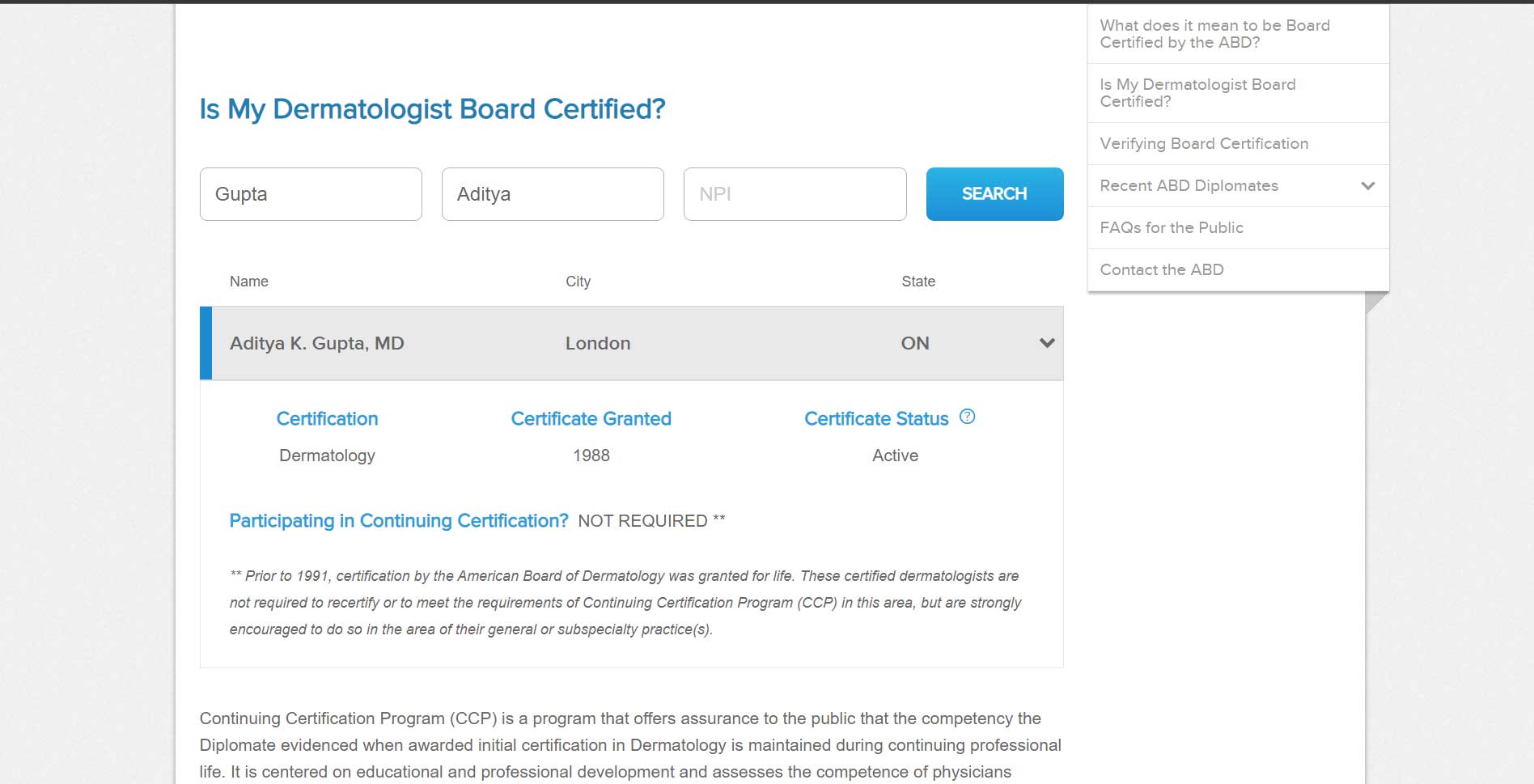
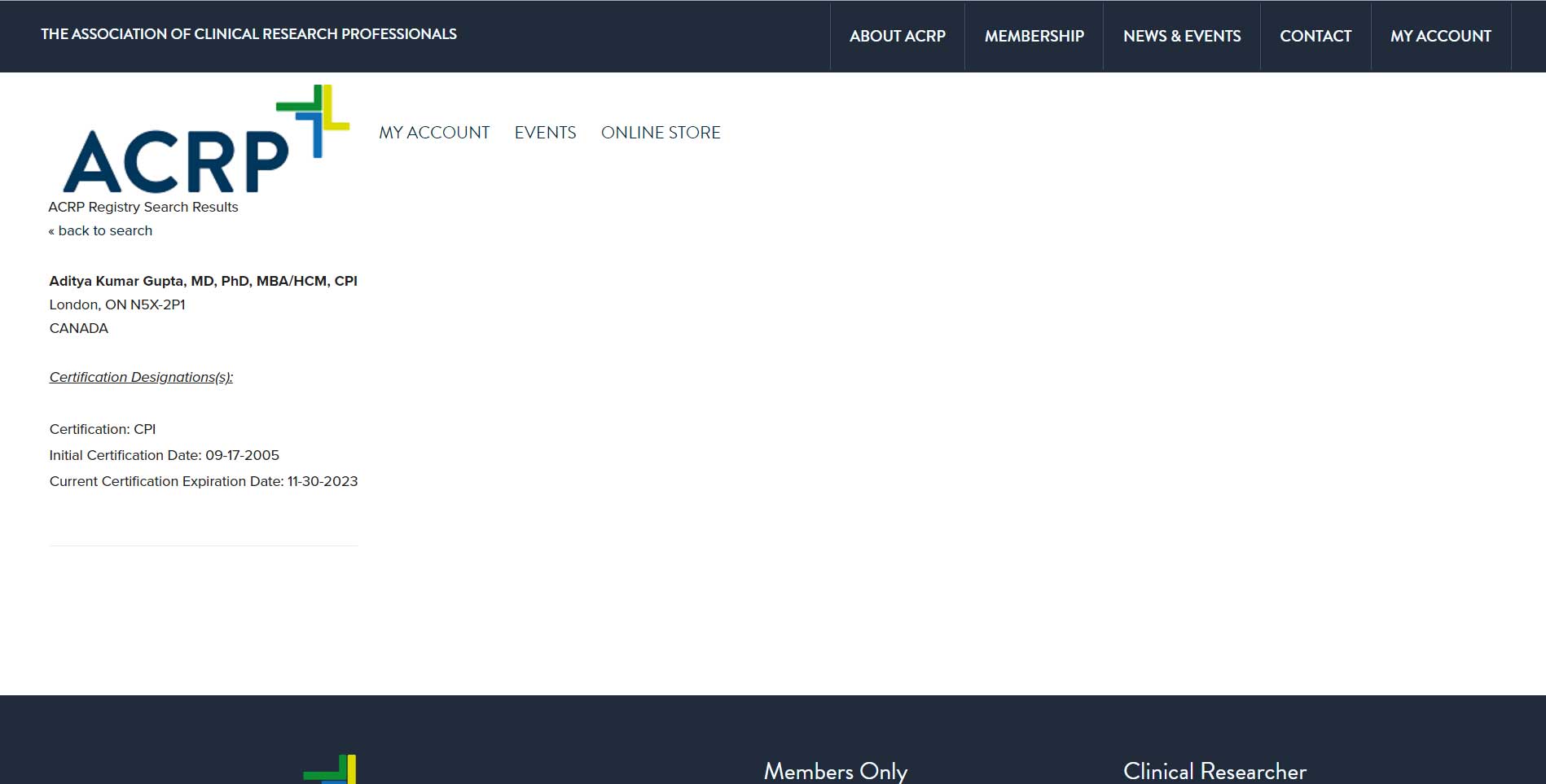
Dr. Aditya K. Gupta is listed by the ISHRS as a co-author of its FUE clinical practice guidelines. You can learn more about his background on Dr. Gupta’s profile.
Recovery and hair growth
Temporary tenderness, swelling, and scabbing can occur after a hair transplant. The transplanted area needs particular care during the early healing period.
Your treating clinician should explain when you can wash your scalp, return to work, and resume exercise. Follow your individual aftercare instructions rather than relying on a general online timetable.
Transplanted hairs commonly shed in the weeks after surgery before new growth develops. The American Academy of Dermatology reports that many patients see results between six and nine months, while some take 12 months. Your own progress may differ.
Risks to discuss before treatment
Potential risks include bleeding, infection, reactions to anaesthetic, noticeable scarring, and poor graft growth. Overharvesting can damage the appearance of the donor area.
Ask how your individual risks will be assessed, what follow-up is available, and whom to contact if you develop unexpected symptoms.
FUE compared with FUT
FUE removes follicular units individually. FUT, commonly called the strip method, removes a strip of donor scalp that is divided into grafts.
Both methods transplant hair follicles. The main distinction is how the donor grafts are obtained and the pattern of donor scarring. FUE produces small scattered scars; strip harvesting leaves a linear scar. Neither method is universally best for every patient.
How much does FUE cost?
The extent of treatment and the proposed procedure affect cost. When comparing quotes, ask for the estimated graft count and exactly what is included, such as aftercare and follow-up.
A useful quote should help you understand the proposed treatment, rather than simply advertise a low price per graft.
Patient information sources
- ISHRS: FUE terminology and clinical practice guidelines
- ISHRS: A guide to hair transplant surgery
- ISHRS: Hair transplant risks
- American Academy of Dermatology: Hair transplant candidacy and results
- NHS: Hair transplant procedure, recovery, and risks
- Take the first step today. Simply fill out the Online Consultation Form to get a no-cost, no-obligation hair loss consultation with a legitimate multi-board certified hair restoration expert.
- You can also schedule a photo consultation via phone if you can’t make it in person.
Your Consultation Will Provide You With:
- A Personalized hair transplant cost estimate for treatment.
- An opportunity to have all your hair loss questions answered by Dr A. K. Gupta
- An opportunity to learn about the latest hair loss options
- Easy Financing Options – if you prefer to finance, let us show you the best options.
- A Personalized Future Hair loss assessment and diagnosis.
- An Opportunity to take advantage of our limited time specialwhile supplies last*